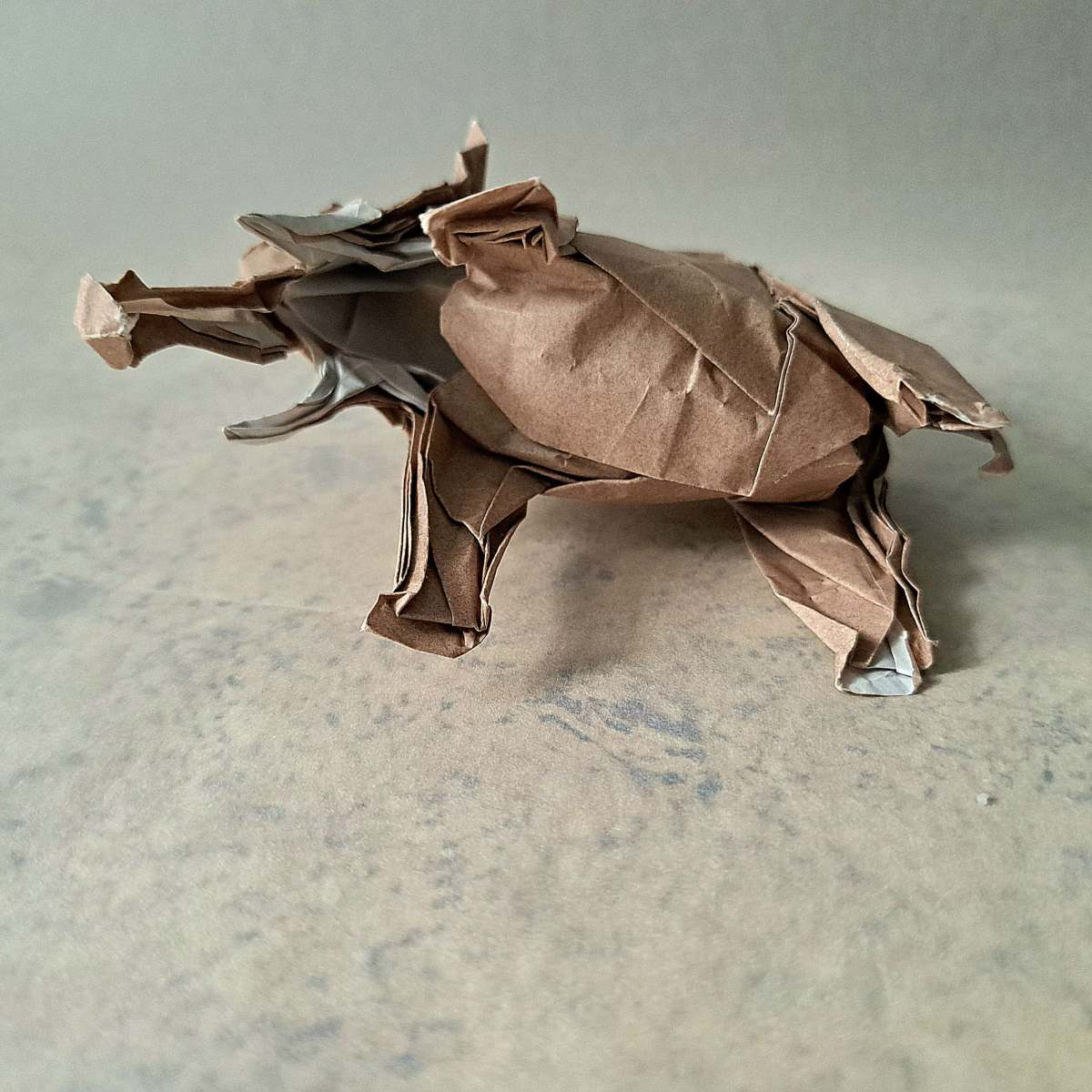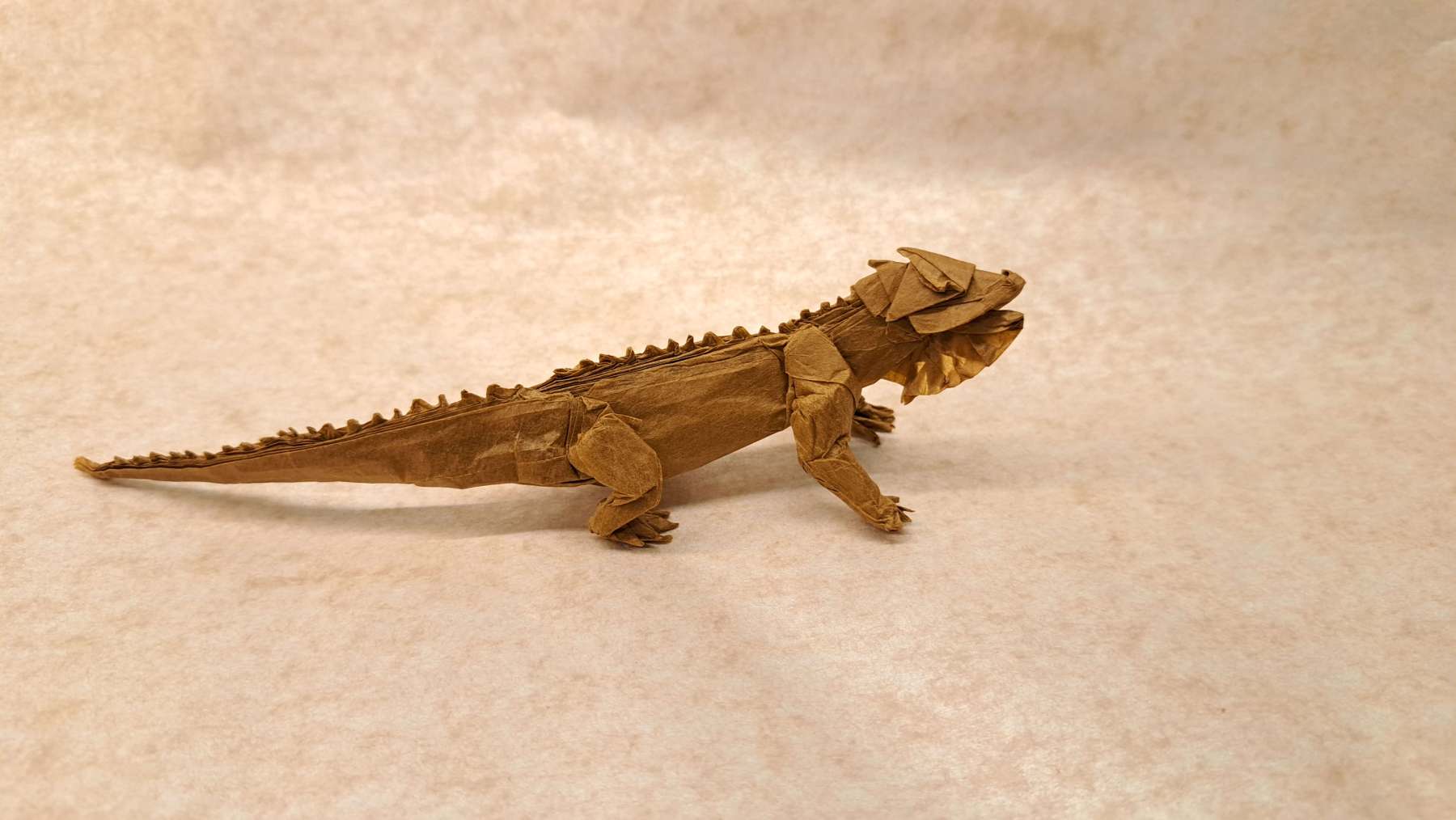
When I make a new model, I sometimes have the feeling, that some potential is left unused. When I look at my old designs, I sometimes aren´t quite satisfied with them.
That´s what got me into refining my crease patterns. By now, I include the version (V) in the title of all my designs.
What does refining mean?
Refining a crease pattern means improving it by changing it´s structure.
This can be made by adding details, by making cleaner transitions etc. Sometimes I even change the general layout of the crease pattern.
When designing a new model, I mostly draw several versions of the crease pattern, before I settle for the one I will fold. The process remains the same, but refining after some time has some more factors:
- You have gained experience and actually know the (current) folded form of the model
- You know some more techniques (at least I´m still learning a little more with every new design)
How does it work? Some Guidelines
The first question for refining a crease pattern is: What do we want to achieve?
Do we want better proportions, more details or more efficiency? or something else?
Next comes: Is the general layout of the crease pattern reusable?
If there are major changes, I often design the new version as if I had not designed the porevious version. First, I draw new general layout and so on. Having more experience with the subject usually helps two make the second version better.
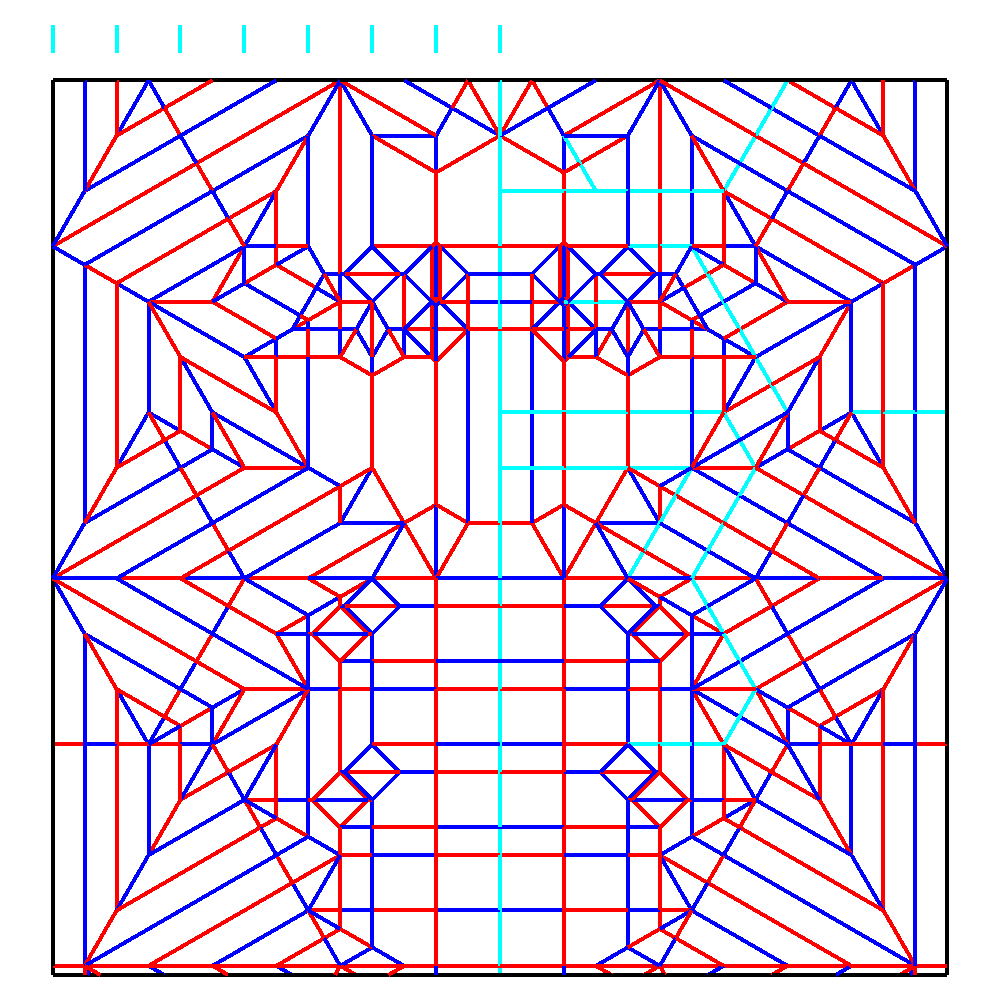
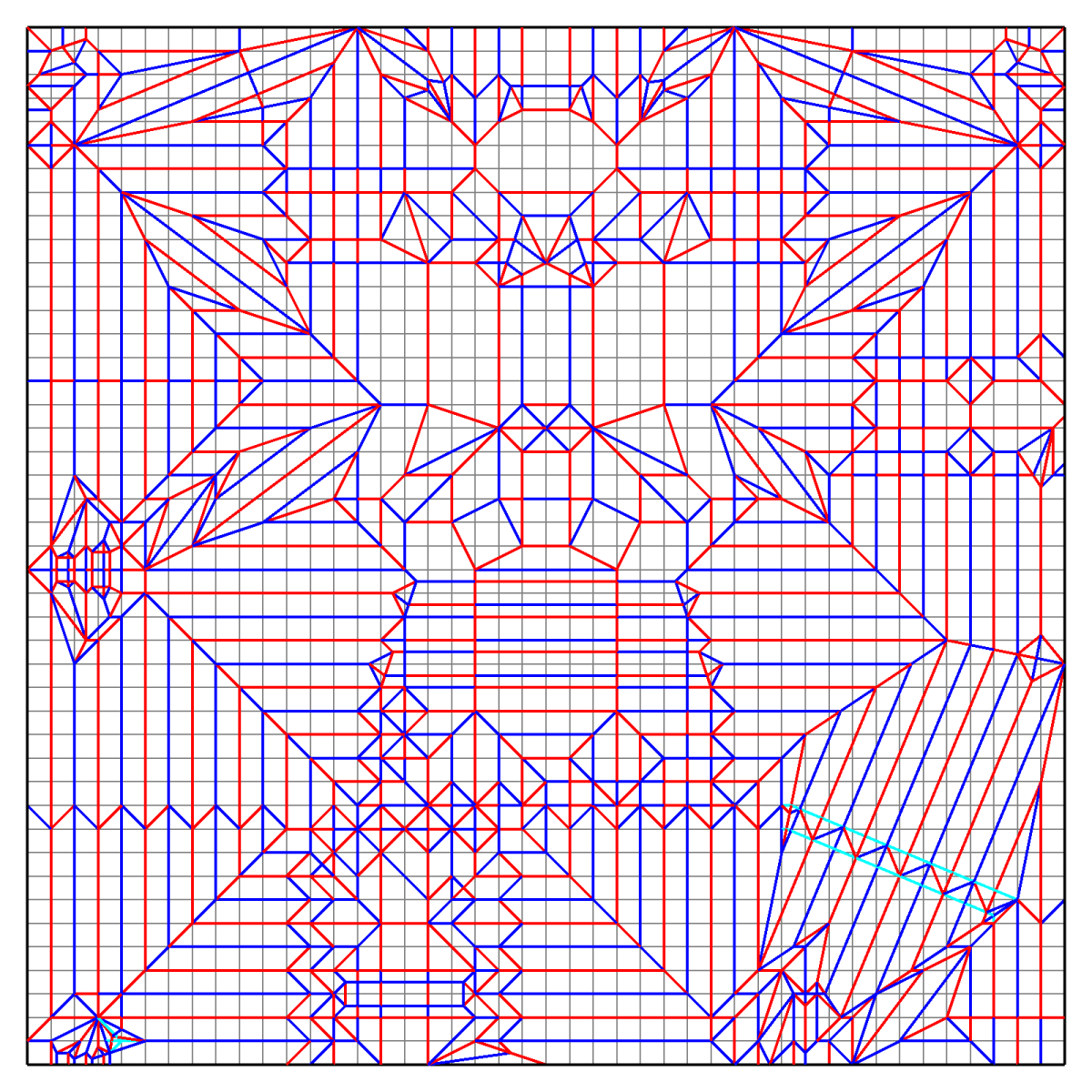
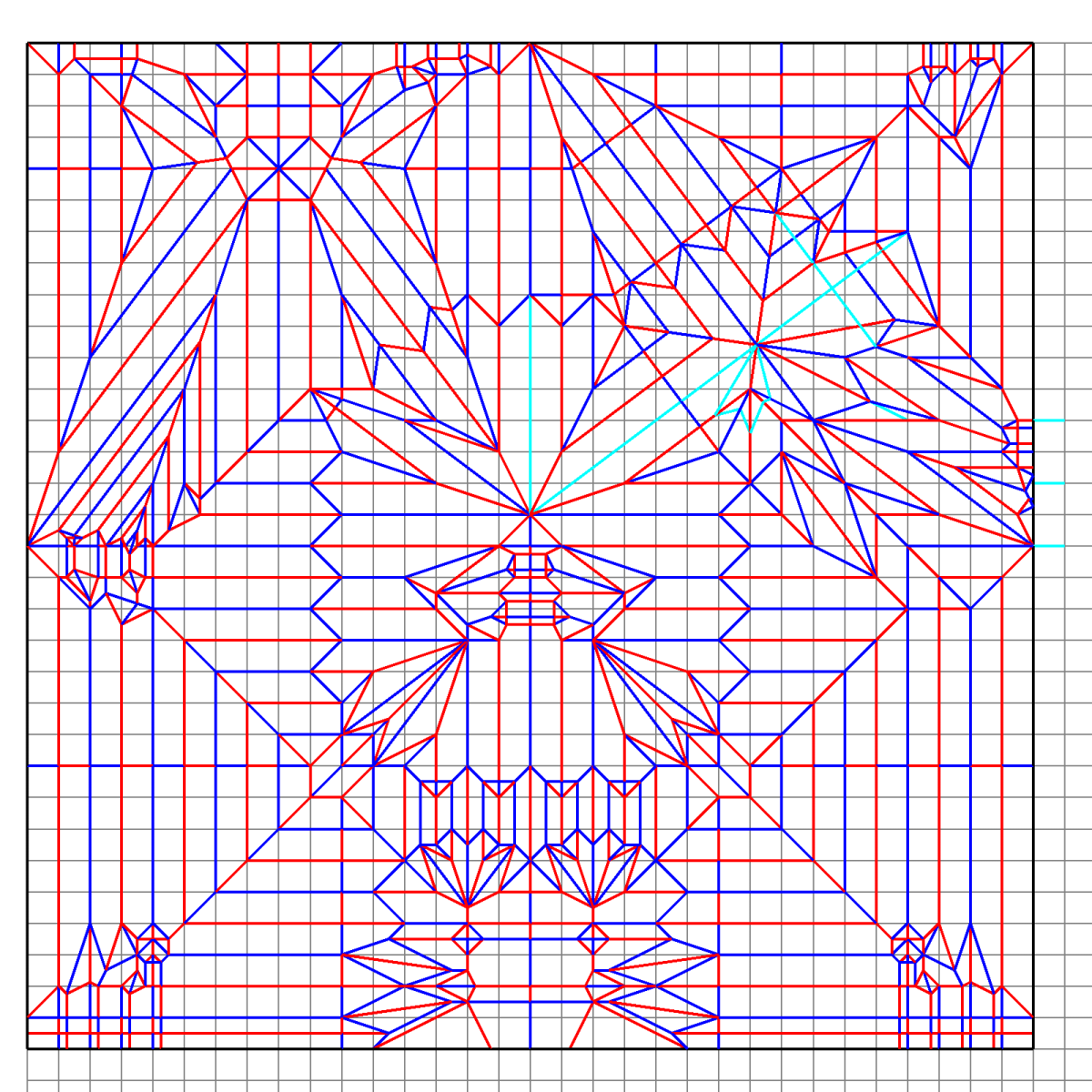
The crease pattern of the Scarab V1 and the Scarab V2
If no or if there aren´t any major changes necessary, it´s often enough to slightly alter the crease pattern. Where is paper used without a clear purpose, could it be used otherwise?
That could be an appendage that uses more paper than it needs to fill the empty space or inefficient transitions (or areas) in the current crease pattern.
Does it make sense to use a grid with more or less units ?
Often, a larger grid helps when adding details, a smaller grid, that leads to the same model as before increases efficiency. A larger grid that uses more efficient transitions and details can also have a more efficient outcome. However, I don´t really like large grids, so I try to use them seldom.
These questions and the original crease pattern are my guidelines for refining a crease pattern.
If the base of the model allows much freedom for the folder, just folding the model again will most likely result in a better version of the same design. I have tried that with my Bat V1. I changed the fold without changing the crease pattern, therefore it´s still V1. Every fold of this model helped me improving it. The final fold has a belly that´s far better than the first etc.
That means in some cases, you need not even change the crease pattern to get a better model!
Notes:
I don´t have a special system for refining. Since my designs are variable (if I may say so myself), their crease patterns are really different.
Due to this, I can´t present you a set path how to refine a design, just guidelines, which I keep in mind.
The most important thing remains (as always): practice
The effects of refining
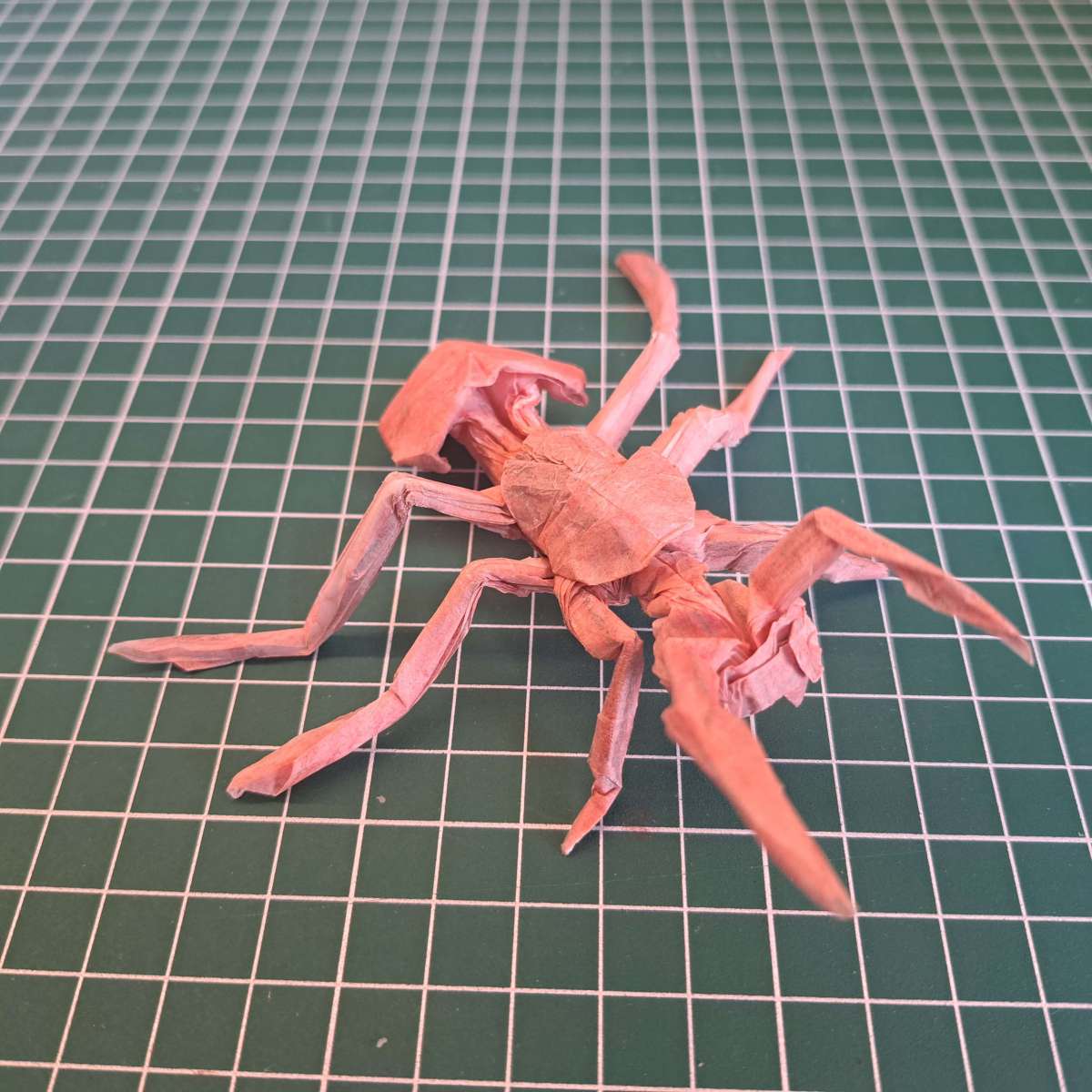
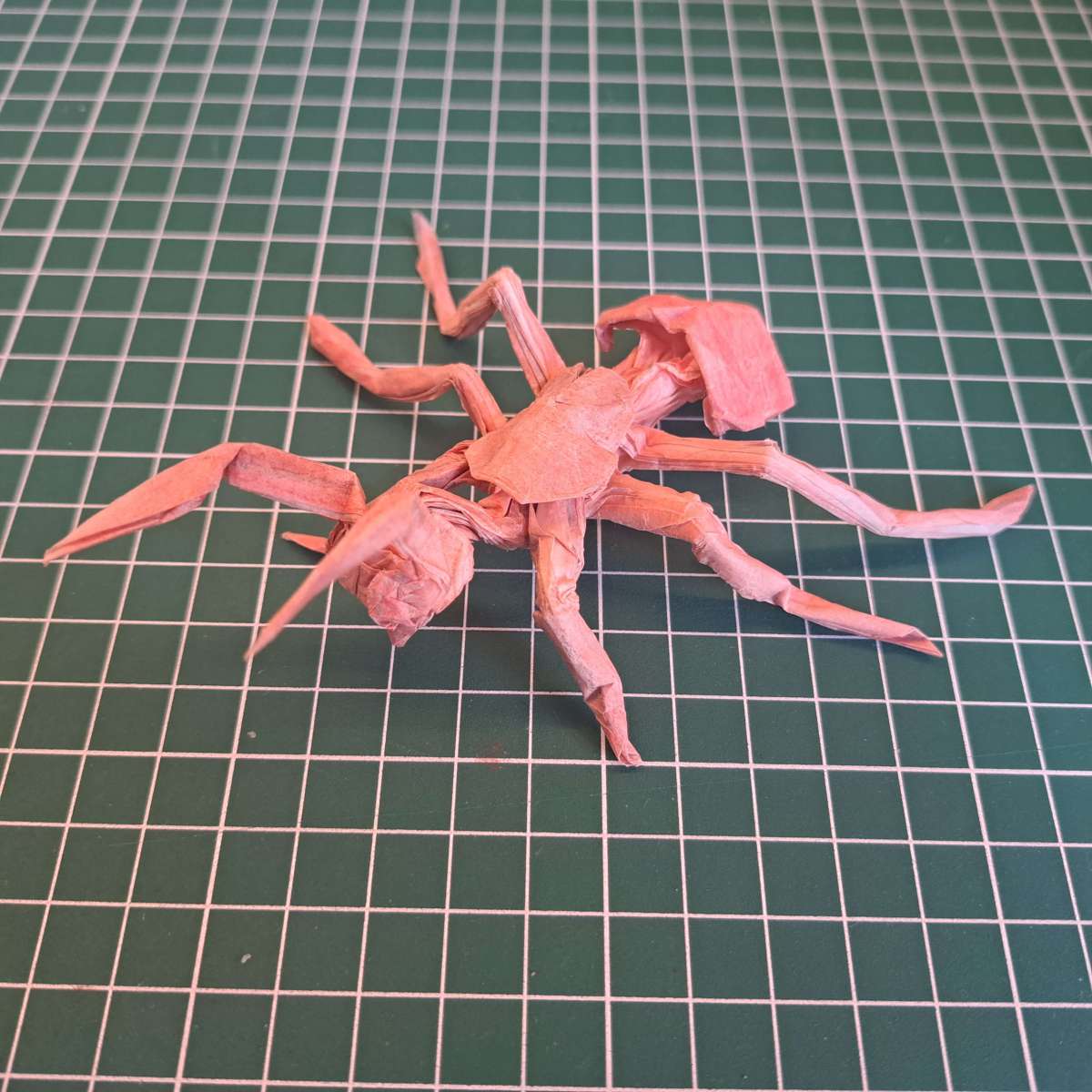
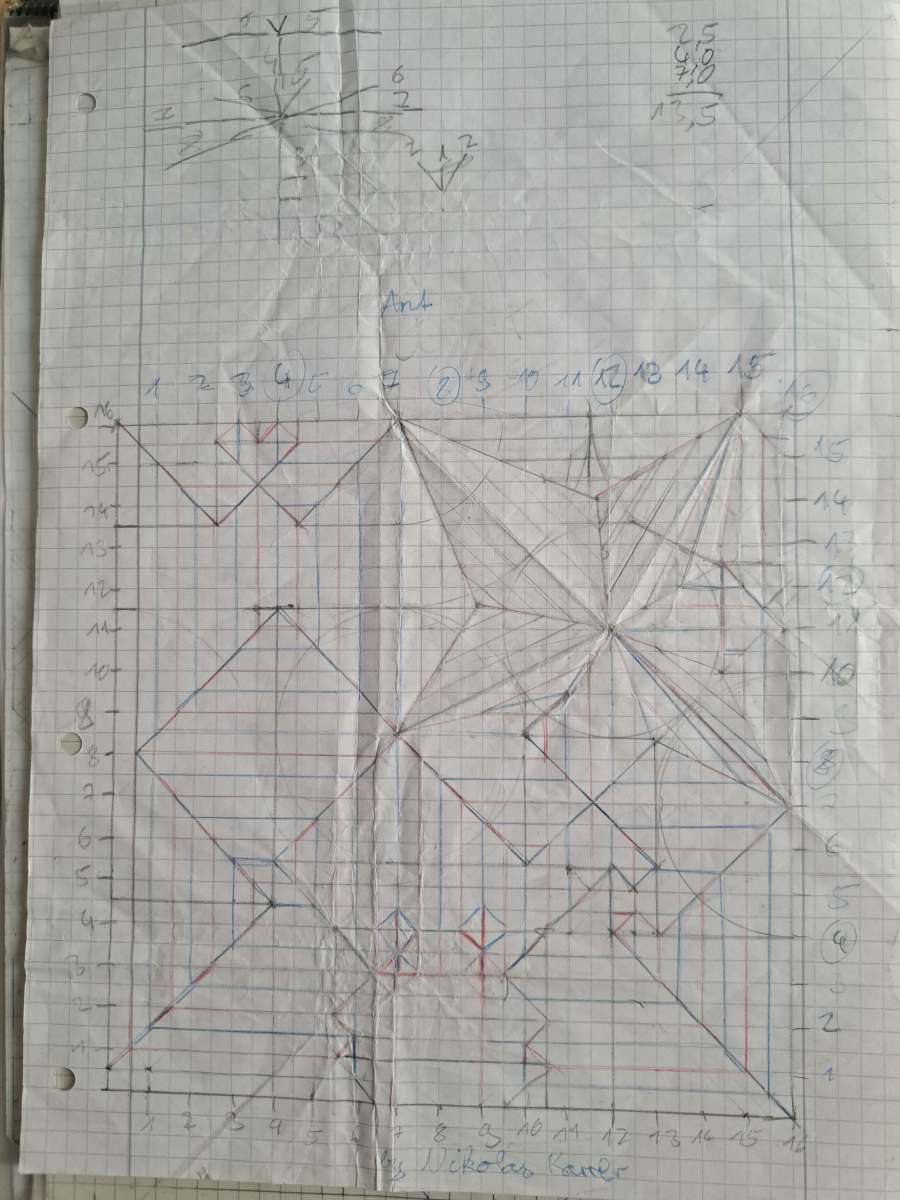
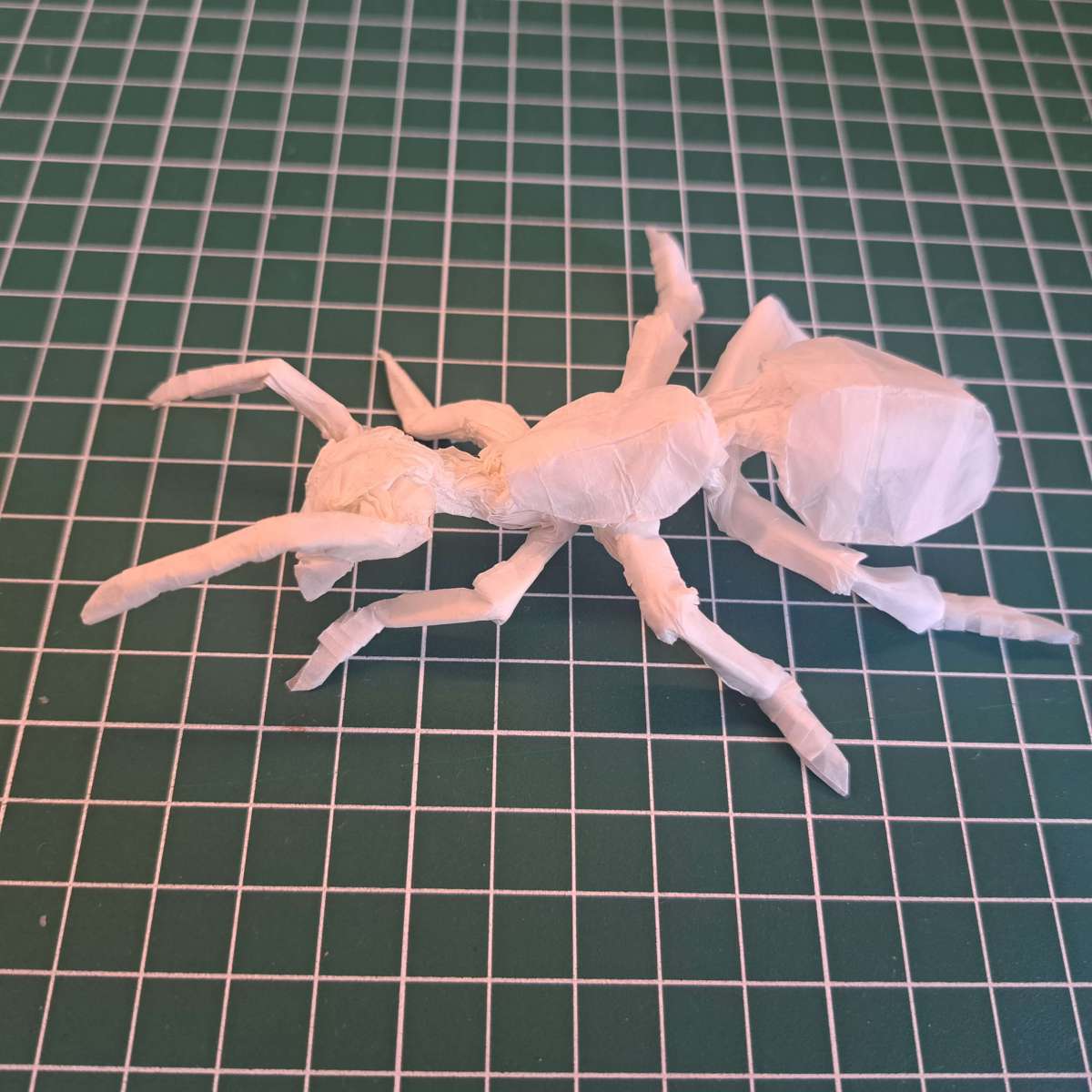
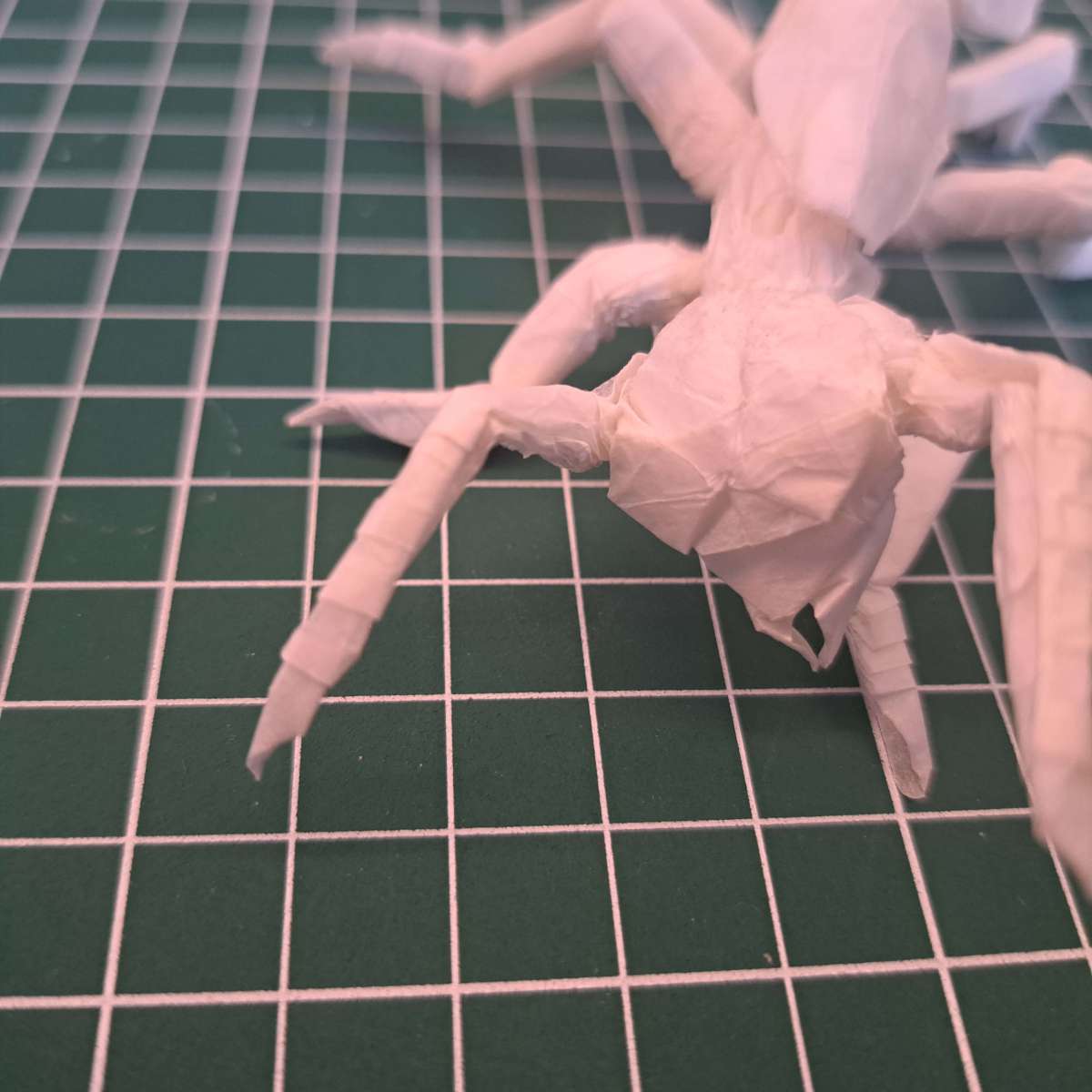
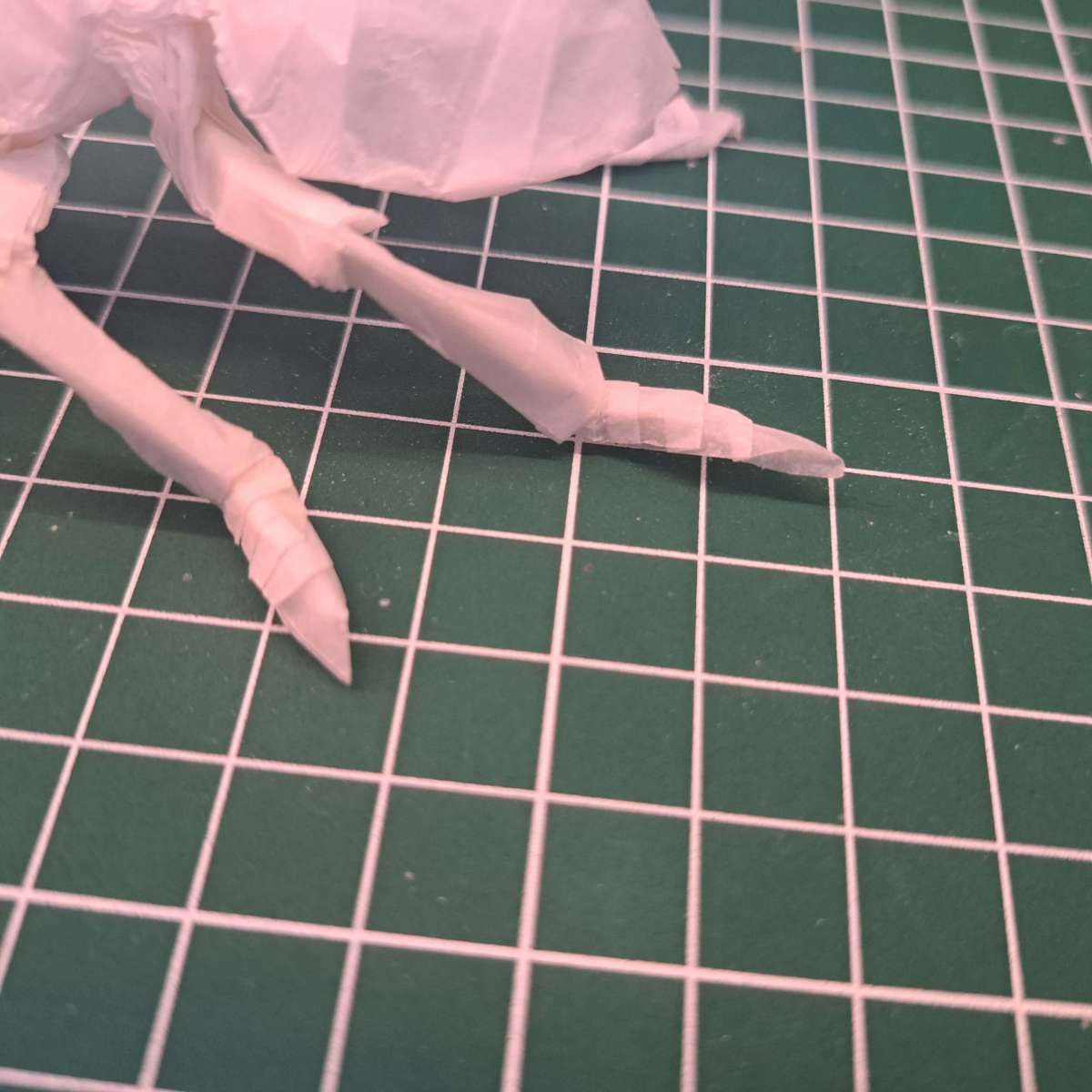
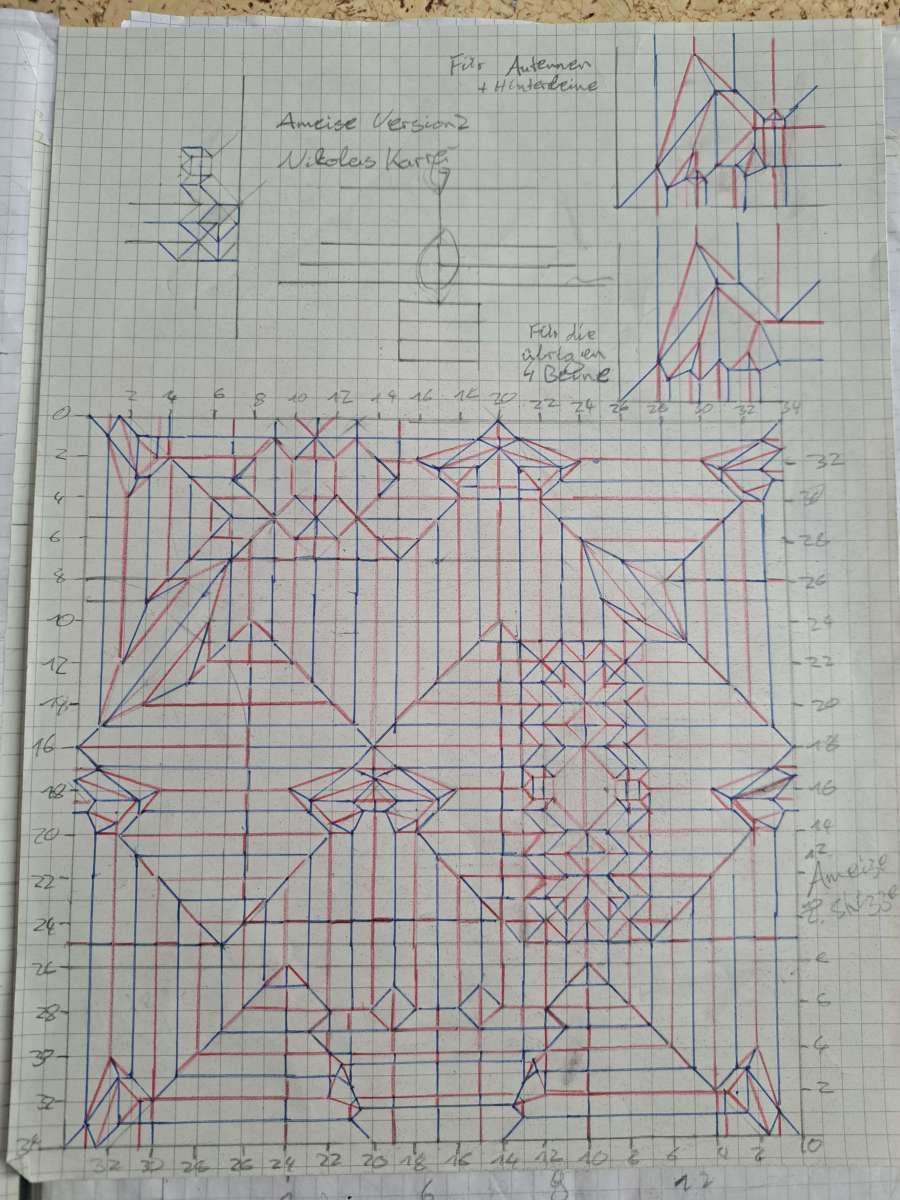
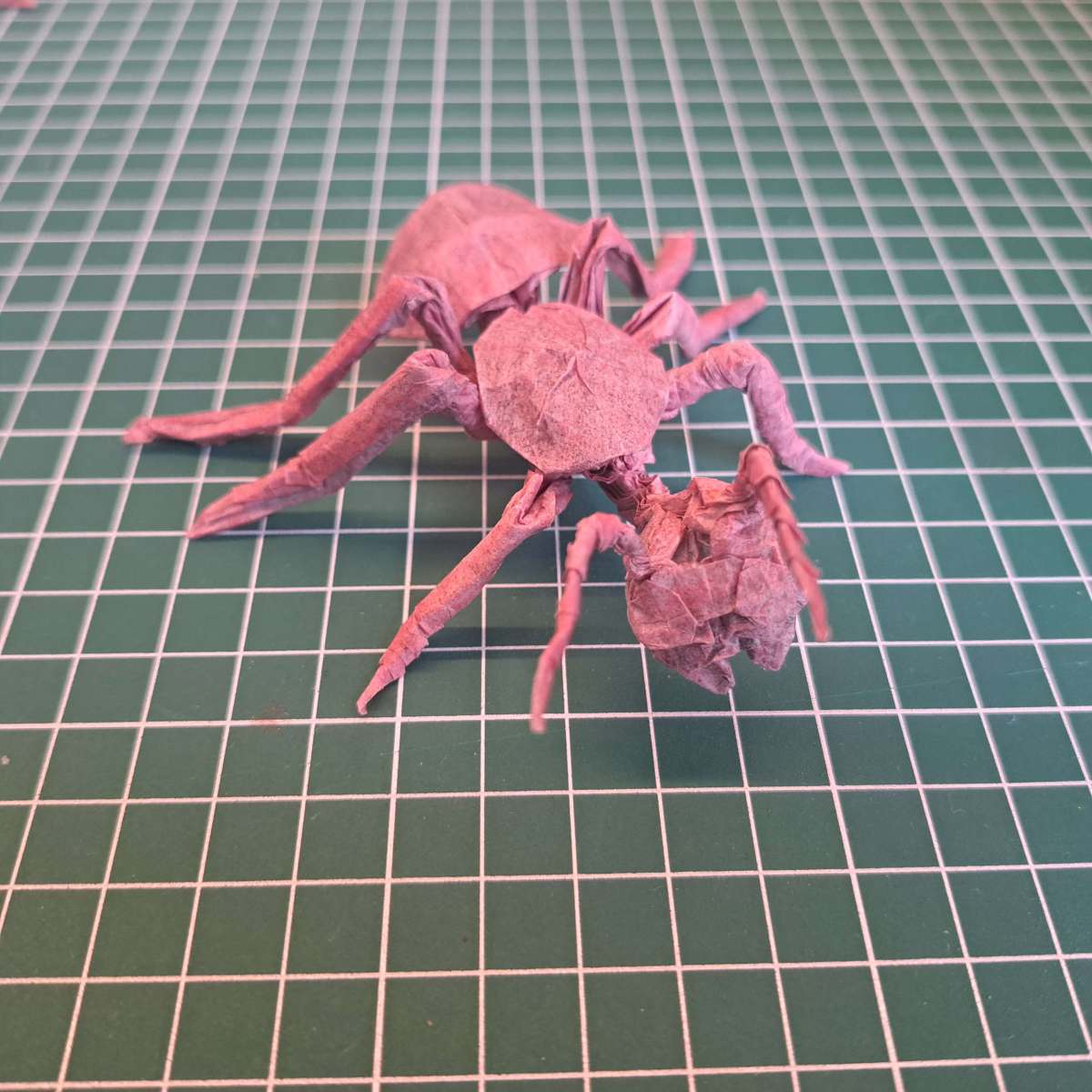
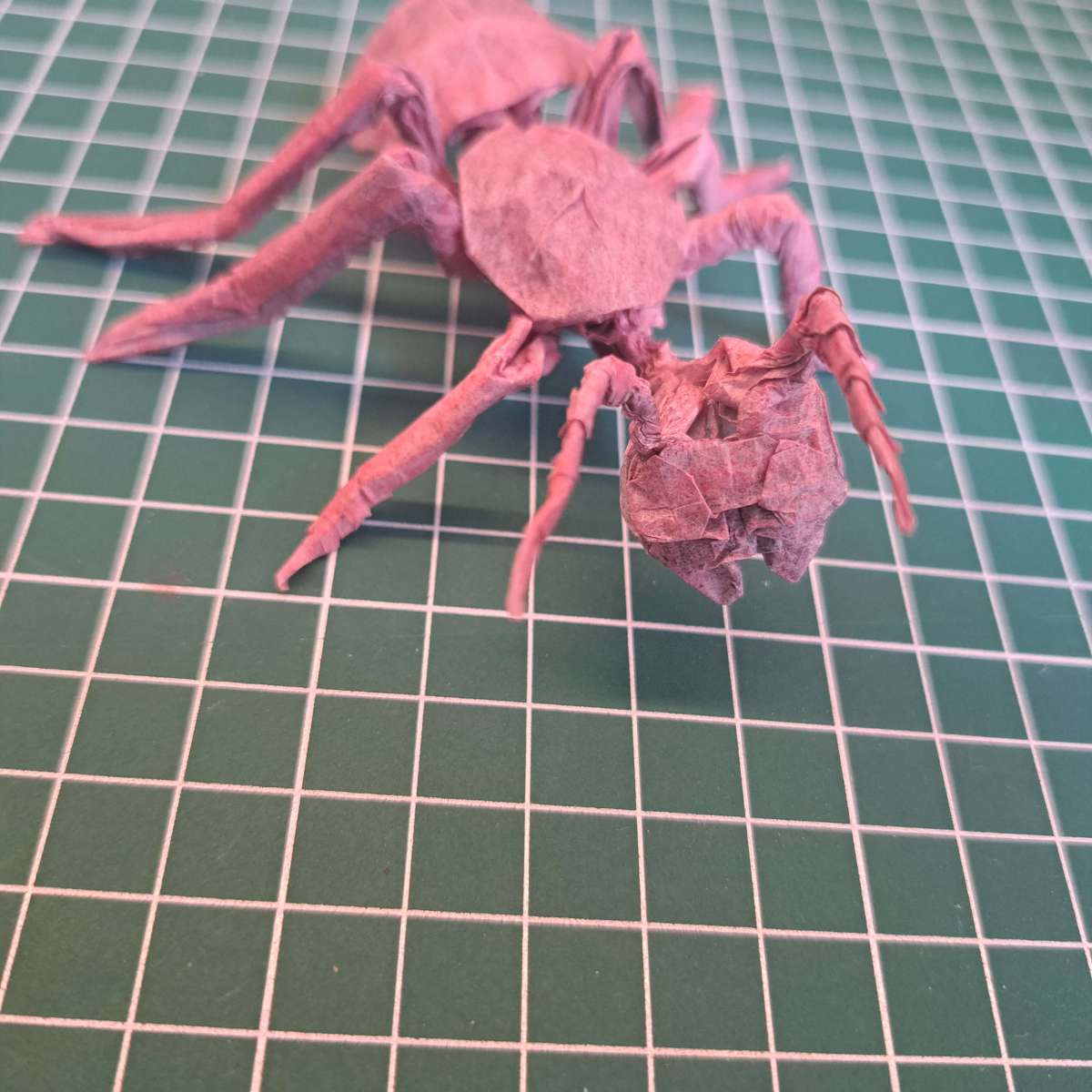
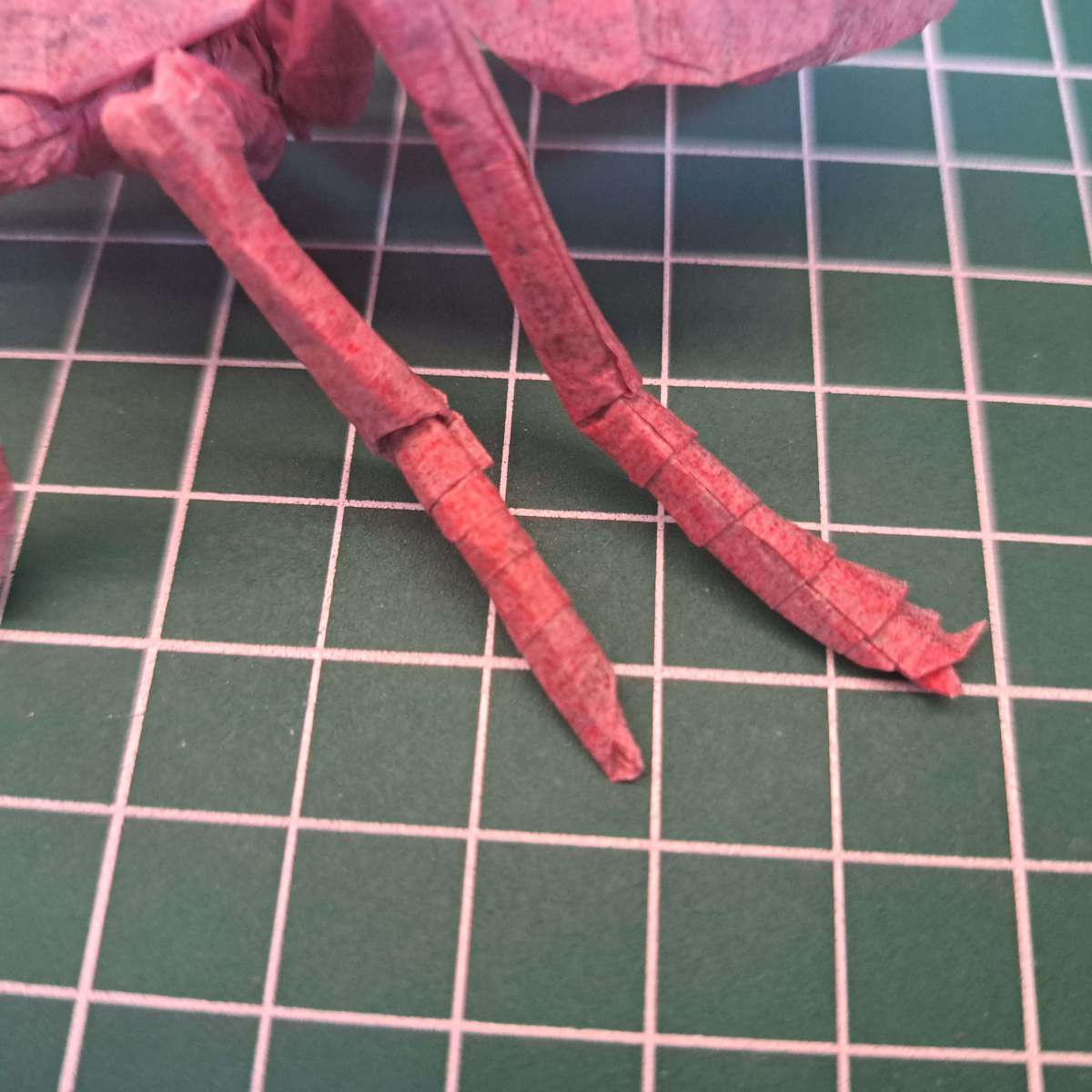
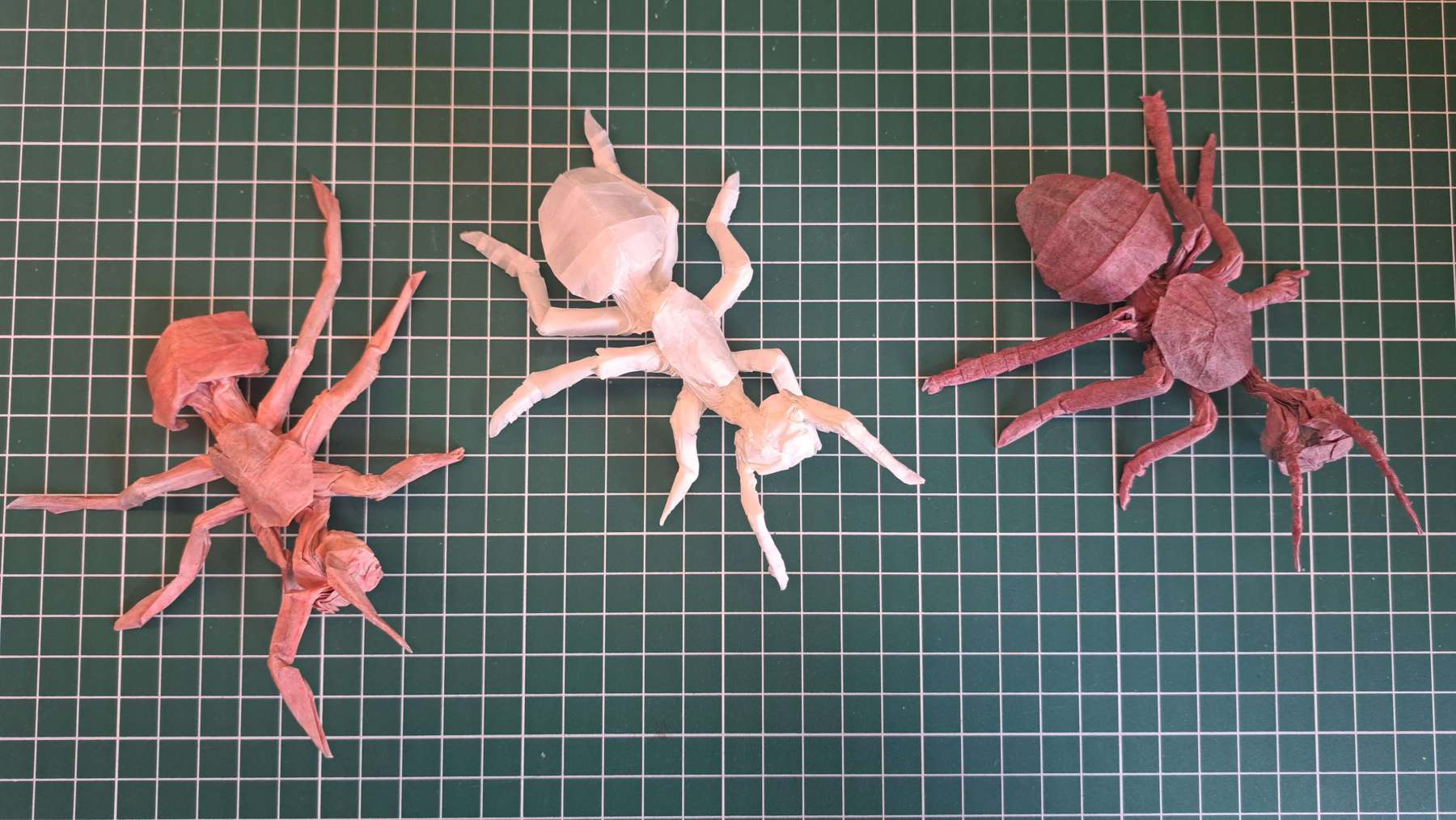
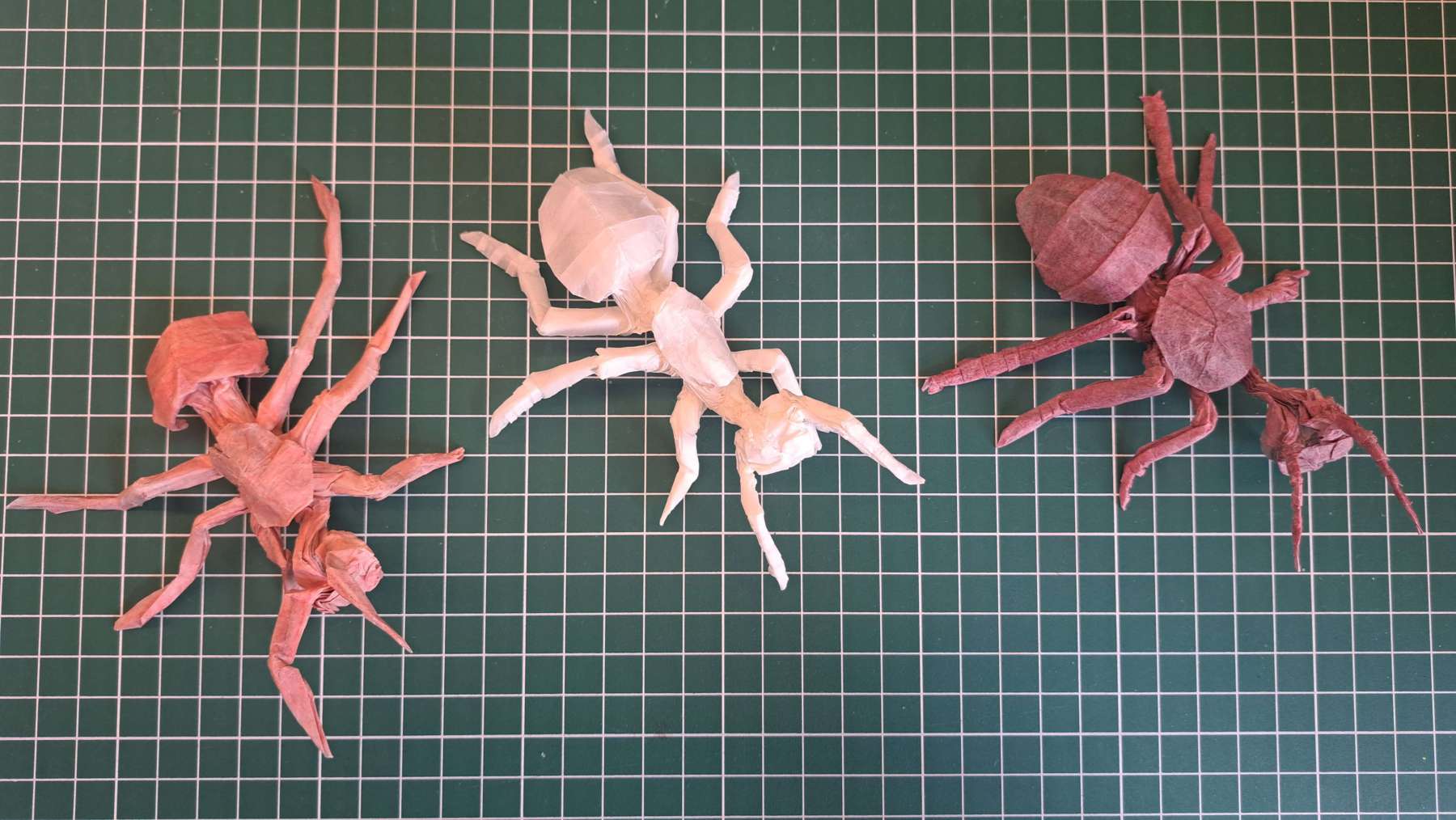
The development of the ant. From version 1 to version 3.
I think you can see the difference…
Just a little more
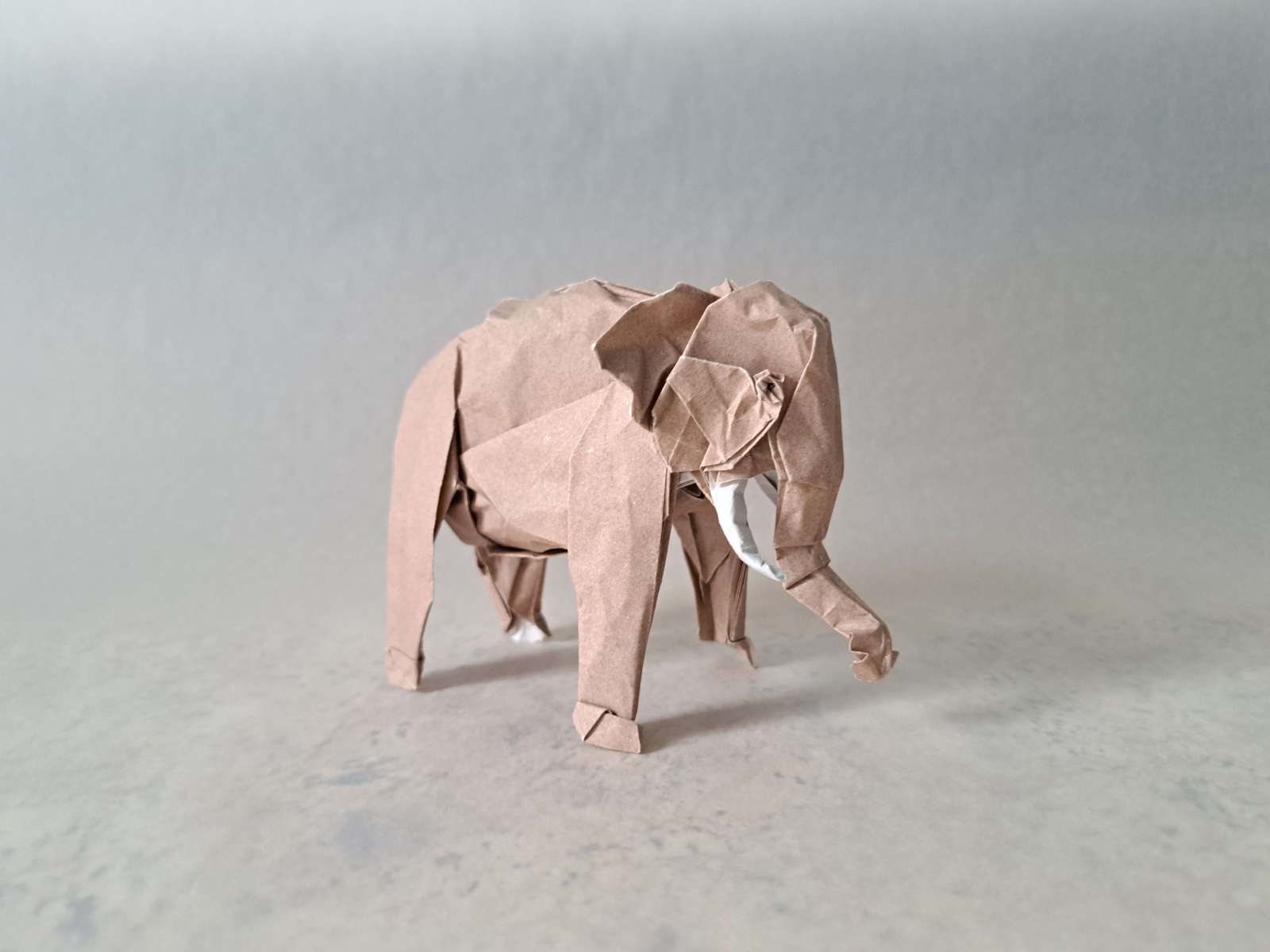
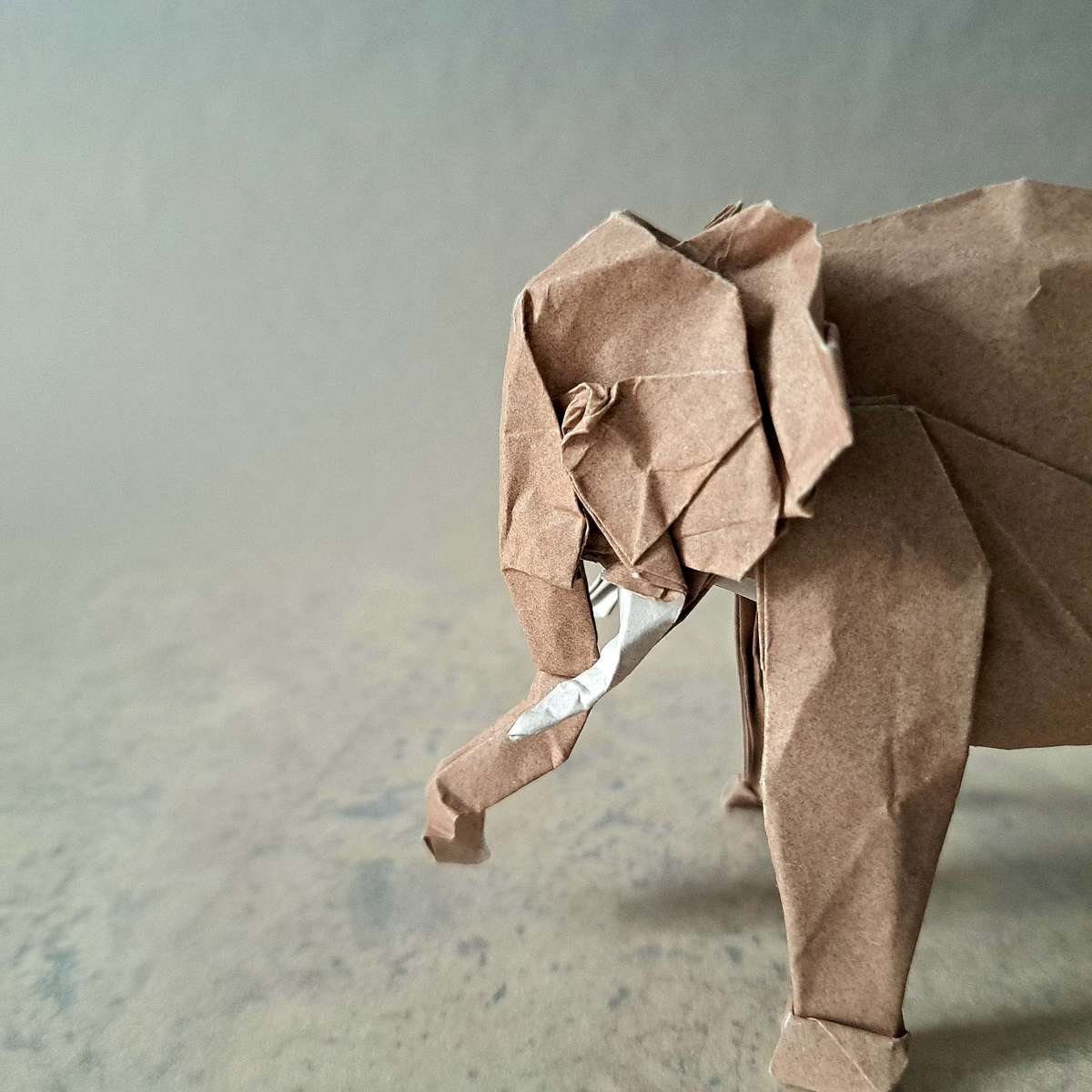
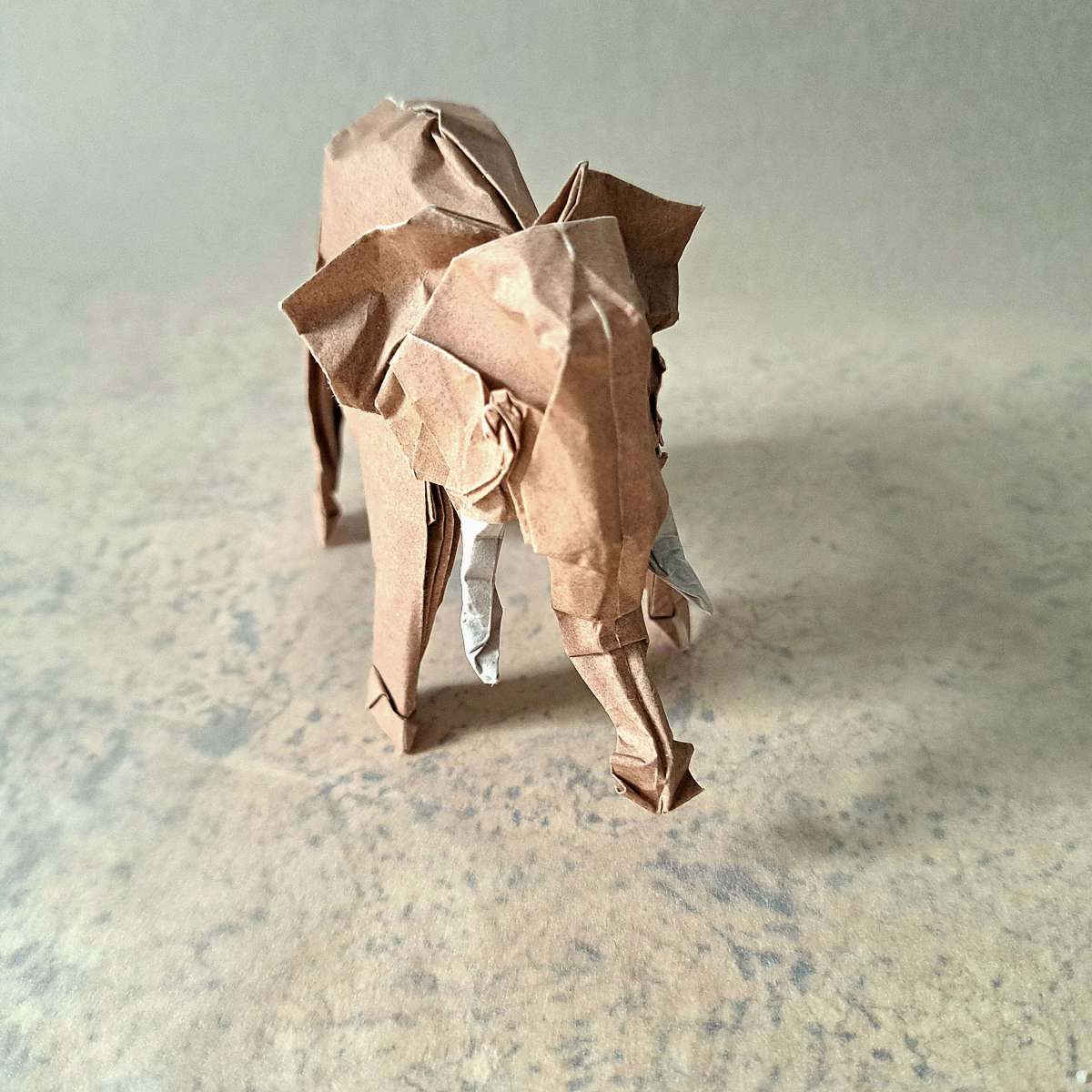
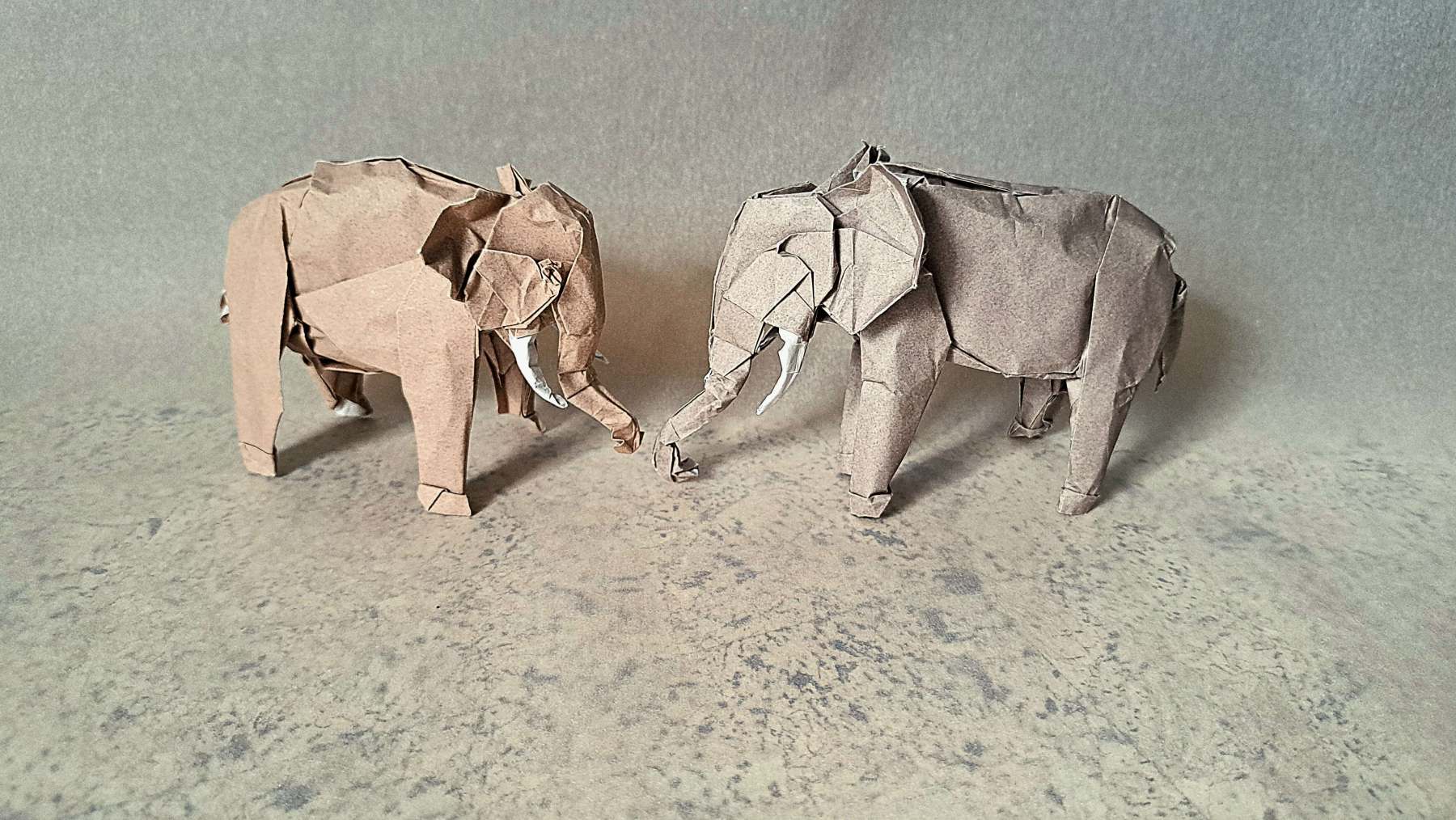
You can use the technique of refining to modify other people´s pieces, too. One Example is my modification of Shuki Kato´s Asian Elephant.